July 31, 2026
Discovering an animal in an attic, crawlspace, wall, basement, or outbuilding can create immediate concern. Wildlife may damage insulation, vents, wiring, or stored belongings, while persistent sounds and odors can disrupt the property. Even when the animal is not visible, scratching, droppings, nesting material, or a damaged entry point may indicate that professional attention is needed.
Choosing a specialist should involve more than asking how quickly the animal can be removed. Effective animal removal services should identify the species, explain the proposed method, inspect the property for access points, and address conditions that could allow the problem to return. The following questions can help property owners compare providers and understand what a complete response should involve.
1. How Will You Identify the Animal and the Extent of the Problem?
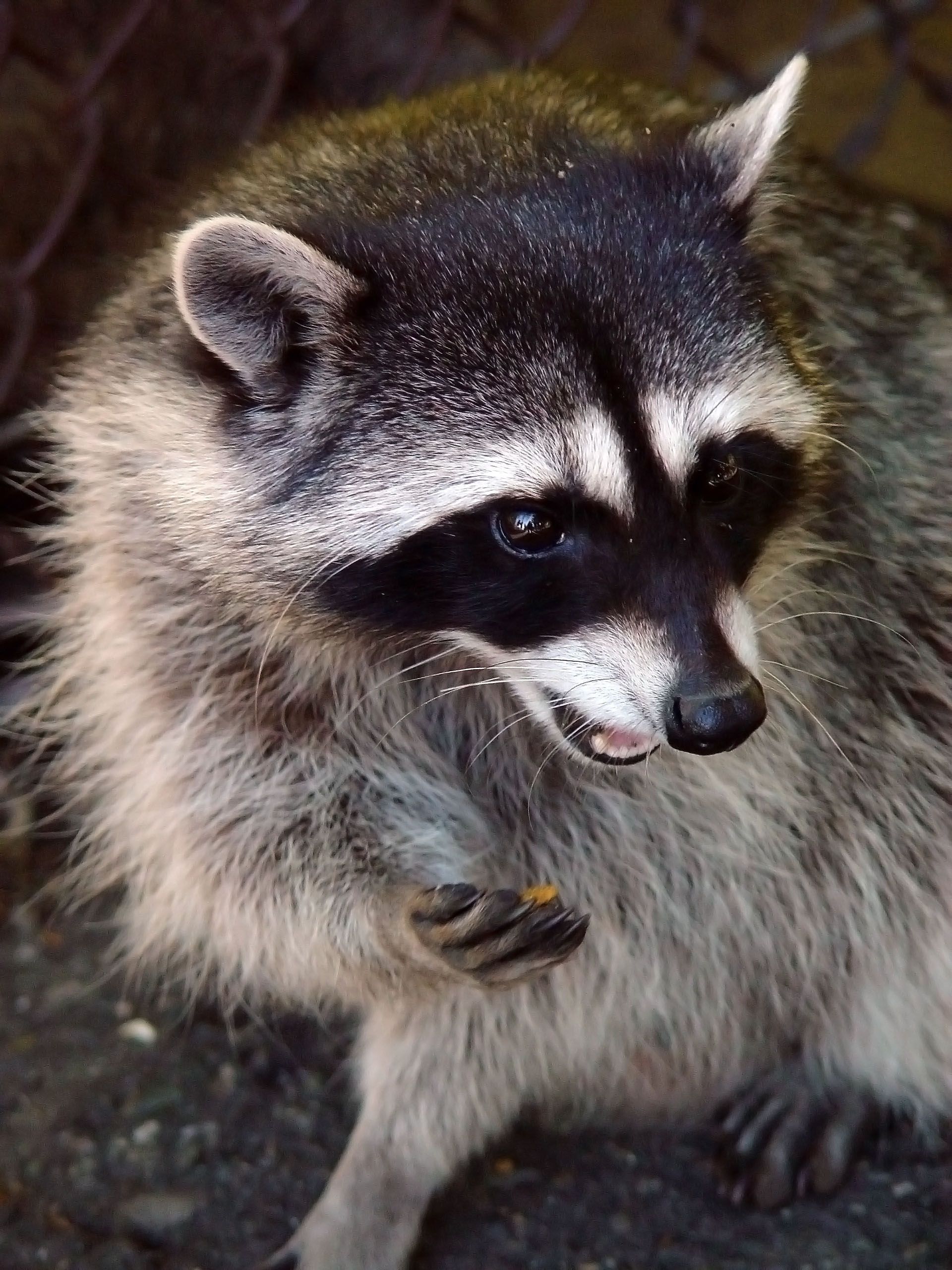
Accurate identification should come before any removal plan. Raccoons, squirrels, bats, birds, opossums, skunks, mice, and rats behave differently, enter through different openings, and may require different capture or exclusion methods. A specialist should examine droppings, tracks, nesting materials, damage patterns, sounds, and activity locations rather than relying on assumptions.
Ask how much of the property will be inspected. Wildlife may enter through the roofline and settle in an attic, but it can also move through wall cavities, crawlspaces, basements, utility openings, or areas beneath decks. A thorough inspection can help determine whether the visible activity is isolated or connected to additional access points.
Professional animal removal services should also account for the possibility of more than one animal. A single noise may come from a nesting female, a family group, or several animals using the same opening. Understanding the scope helps the provider avoid removing one animal while leaving others behind.
2. What Removal Methods Will You Use?
A property owner should know whether the specialist plans to use trapping, exclusion, one-way devices, or another method suited to the species and location. The provider should explain why the approach is appropriate and humane. Methods should also follow applicable laws and avoid creating unnecessary risk for occupants, pets, or the animal.
Timing can influence the method. Young animals may be present during nesting seasons, and sealing an opening too soon could separate them from an adult or trap wildlife inside the structure. A careful provider should consider animal behavior, the season, and the location of the nest before beginning exclusion work.
The discussion should also cover what happens after capture or removal. Ask how the specialist confirms that activity has stopped and whether the opening will remain temporarily monitored before repairs are completed. Clear animal removal services include an understandable sequence rather than one unexplained action.
3. Are Your Methods Legal, Humane, and Appropriate for the Species?
Wildlife control can involve ethical and legal considerations that vary by species and situation. A provider should be able to explain how its methods comply with relevant requirements and why a particular technique is suitable. Vague promises of immediate elimination do not show whether the approach is responsible.
According to Vox, four species—coyotes, European starlings, feral hogs, and pigeons—accounted for more than 75% of animals killed by wildlife removal specialists in recent years. That statistic shows why owners should ask what happens after capture and whether nonlethal methods are available. A humane approach should not be assumed merely because a company uses general language about wildlife control.
This question is especially important when bats, birds, or animals with young may be involved. The specialist should explain any limitations, timing concerns, or steps needed before an opening can be sealed. Responsible animal removal services should match the response to the species instead of applying the same method to every wildlife complaint.
4. Will You Find and Seal the Entry Points?
Removing wildlife without addressing access points leaves the property vulnerable to another intrusion. Animals may enter through damaged vents, roof gaps, foundation openings, utility penetrations, loose exterior materials, or spaces near soffits and eaves. A complete inspection should identify both the opening currently in use and other weak areas that could become future entry points.
Ask whether exclusion work is included in the proposed scope. The specialist should describe which openings will be sealed, what materials will be used, and whether any area must remain open until the provider confirms that all animals are gone. Durable repairs are important because some animals can chew, pull, or push through weak materials.
Animal removal services that include exclusion and prevention can provide a more lasting response than capture alone. However, property owners should distinguish between repairs intended to block wildlife entry and broader structural, roofing, electrical, or remodeling work. The written scope should identify which prevention repairs the provider will complete.
5. What Damage or Attractants Will You Look For?
Wildlife activity can leave behind more than an entry hole. Squirrels and rodents may chew materials, animals can disturb insulation, and repeated movement may damage vents or surrounding surfaces. A specialist should identify visible conditions associated with the intrusion and explain which concerns fall within the wildlife-control scope.
The inspection should also consider why the animals selected the property. Accessible food, unsecured waste, openings near utility lines, sheltered nesting areas, and easy routes into an attic or crawlspace may contribute to repeated activity. Habitat changes and practical prevention steps can make the property less attractive after the animals are removed.
Ask whether the provider will offer recommendations based on the specific species and location. Generic advice may overlook the conditions that led to the current problem. Effective animal removal services should connect removal with exclusion, habitat changes, and clear prevention guidance that reflects the property rather than treating every call the same way.
6. What Will the Estimate, Schedule, and Follow-Up Include?
Before work begins, ask for a clear estimate. It should identify the inspection, removal method, trapping or exclusion work, prevention repairs, and any follow-up visits included in the price. Property owners should also ask what circumstances could change the scope or cost after the work starts.
Scheduling matters when wildlife is inside an occupied home or business. Ask how quickly the provider can inspect the property, whether evening or weekend appointments are available, and how often traps or monitored openings will be checked. The answers should provide a realistic understanding of the process rather than an unsupported promise that every situation can be resolved immediately.
Follow-up is equally important. The specialist should explain how the property will be reassessed, how completed repairs will be reviewed, and what signs would justify another visit. Dependable animal removal services should leave the owner with a clear understanding of what was done, what remains to be watched, and how future activity can be reported.
The right wildlife-control provider should do more than remove the first animal that appears. Asking detailed questions before authorizing work can help property owners understand the process and avoid temporary measures that leave the underlying problem unresolved.
A to Z Wildlife Control serves homes and businesses with inspections, humane wildlife removal, trapping, exclusion, prevention repairs, and customized pest-management planning. Our flexible scheduling, free estimates, and experience with raccoons, opossums, skunks, birds, bats, squirrels, mice, rats, and other unwanted animals allow property owners to compare the recommended approach with the needs of the property.